

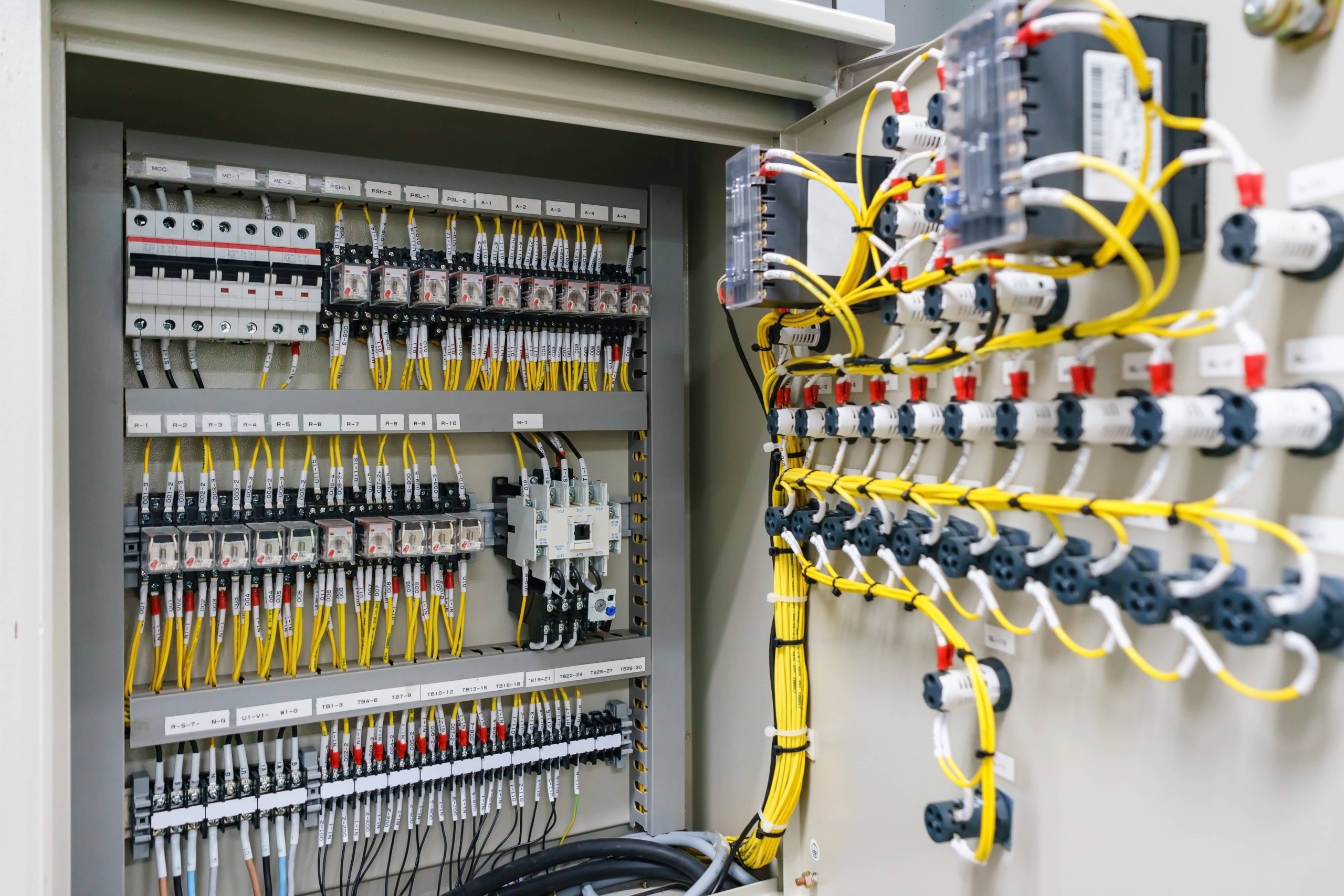
Your Breakers Keep Tripping, Especially When Multiple Appliances Run
Circuit breakers are designed to trip when a circuit draws more current than it can safely handle, but if you’re resetting breakers weekly or even daily, your panel is screaming that it can’t keep up with your home’s electrical demand. This is the first of five dangerous signs your electrical panel is overloaded and ready to fail, and it’s one of the clearest warnings we see in older homes across the Utica-Rome area, where original 100-amp or 150-amp panels are trying to serve modern families running central air, electric ranges, home offices, and multiple entertainment systems simultaneously.
When a breaker trips occasionally during a heavy-load event like starting a space heater while the dryer is running, that’s the safety system doing its job. But frequent, repeated trips on the same circuit, or tripping that happens with normal daily use, signal that the circuit is chronically overloaded and the panel lacks the capacity to distribute power safely across your home. In Central New York, we see this spike during winter months when electric heating systems, block heaters, and indoor lighting all compete for the same limited panel capacity, and during summer when air conditioners push aging electrical infrastructure past its limits.
In Marcy and the surrounding areas, many homes were built in the 1960s through 1980s with electrical service sized for a different era. Back then, a typical household might have had one television, a single window air conditioner, and far fewer plug-in devices. Today, that same home might be running a home theater system, multiple computers, gaming consoles, Wi-Fi routers, smart home hubs, rechargeable tools, and kitchen appliances that didn’t exist when the panel was installed. We regularly assess panels in Rome where homeowners have added electric vehicle chargers, upgraded to electric water heaters, or finished basements with additional circuits, all drawing from a panel that was already near capacity decades ago.
The danger isn’t just inconvenience. Chronic overload generates heat in wiring and connections, degrading insulation over time and creating conditions for electrical fires inside walls where you can’t see the damage accumulating. Each time a breaker trips and you reset it, you’re essentially watching your electrical system strain under a load it wasn’t designed to handle. Over time, the breaker itself can weaken, the internal contacts can corrode or pit, and the mechanism that’s supposed to protect you may fail to trip when you need it most. If you’re flipping breakers back on more than once or twice a year, it’s time to have a licensed electrical contractor assess whether your circuits are overloaded, your panel is undersized, or connections have deteriorated to the point where normal loads trigger trips.
A thorough electrical inspection will measure your actual current draw, compare it to your panel’s rated capacity, check for hot spots or loose connections, and identify which circuits are carrying excessive load. In many cases, the solution involves adding circuits to distribute load more evenly, upgrading to a larger panel with more capacity and breaker slots, or both. Mid-State Electrical Contracting performs these assessments throughout Central New York, and we can walk you through your options, explain what an upgrade entails, and schedule the work at a time that minimizes disruption to your household or business.
Lights Flicker or Dim When You Turn On High-Draw Appliances
If your lights dim noticeably when the refrigerator compressor kicks on, or flicker when you start the microwave or hair dryer, your electrical panel is struggling to balance power distribution across circuits. This symptom often appears in homes where the total connected load has quietly grown beyond what the panel was designed to handle, a common scenario in the Adirondack foothills region where homeowners have added window AC units, upgraded to electric water heaters, or installed multiple computers and networking equipment without upgrading the underlying electrical service.
The flickering happens because high-demand appliances momentarily pull more current than the panel can smoothly deliver, causing voltage to sag on other circuits sharing the same bus bar or phase. In homes built before the 1990s, which make up a large portion of the housing stock in Marcy, Utica, and Rome, the original panels were typically sized for far fewer simultaneous loads. Add in the fact that many families now charge electric vehicles at home, run multiple refrigerators or freezers, and operate always-on home networks, and you have a recipe for chronic voltage instability.
Flickering lights aren’t just annoying, they indicate that your electrical system is operating at or beyond its safe capacity, and the voltage fluctuations can damage sensitive electronics like computers, televisions, and smart home devices. They can also point to loose connections inside the panel, which generate heat and increase fire risk. If you notice dimming or flickering on a regular basis, especially across multiple rooms or when the same appliance cycles on, contact us to schedule an electrical inspection to measure your actual load, check for loose or corroded connections, and determine whether your panel needs an upgrade or load rebalancing.
The Panel or Breakers Feel Warm or Hot to the Touch
Your electrical panel should never feel more than slightly warm to the touch. If the panel cover, breaker switches, or the area around the panel is noticeably warm or hot, you’re looking at a serious warning sign that internal components are overheating due to overload, poor connections, or deteriorating parts. This is an urgent issue that requires immediate attention from an emergency electrician, because excessive heat inside a panel can melt insulation, weld contacts shut, ignite nearby materials, and lead directly to electrical fires.
Heat in an electrical panel is usually caused by one of three problems. First, the panel may be consistently running at or above its rated capacity, forcing bus bars and breaker contacts to carry more current than they were designed for, which generates resistive heating. Second, connections between circuit wires and breaker terminals, or between breakers and the panel bus, may have loosened or corroded over time, creating high-resistance points that heat up under load. Third, the panel itself may contain outdated or damaged components, such as aluminum bus bars or breakers that no longer make solid contact, both of which are common in panels installed in the 1970s and 1980s, an era that still defines much of the building stock in Central New York.
In our work across residential and commercial properties in the Utica-Rome area, we’ve responded to more than a few emergency calls where a warm panel was ignored for months, only to fail completely during a cold snap when heating loads spiked and the weakened panel couldn’t take the demand. If you touch your panel and feel heat, don’t wait. Call a licensed electrical contractor immediately to inspect the panel, measure temperatures, check connections, and assess whether the panel can be repaired or needs complete replacement. The cost of an inspection and upgrade is a fraction of the cost of fire damage, and far less than the risk to your family or employees.
You Smell Burning Plastic or See Scorch Marks Near Outlets and Panels
A burning smell near your electrical panel, outlets, or switches is one of the most alarming and unambiguous signs of electrical overload and imminent failure. That acrid, plasticky odor comes from wire insulation, breaker housings, or outlet components overheating to the point where they begin to melt or char. If you ever smell burning near electrical equipment, treat it as an emergency: turn off power at the main breaker if it’s safe to do so, evacuate if necessary, and call an emergency electrician immediately. Do not ignore this sign or assume it will resolve on its own.
Burning smells and visible scorch marks, discoloration around outlets (often brown or black staining on wall plates or the wall itself), and melted or deformed plastic on breaker switches all indicate that electrical current is generating dangerous levels of heat due to overload, short circuits, or failing connections. In many cases, the damage is hidden inside the wall or panel enclosure, meaning that by the time you smell smoke or see discoloration, the problem has been building for weeks or months. This is especially common in older homes in the Utica-Rome area where aluminum wiring, outdated breaker designs, and original panels from the 1960s and 1970s are still in service, often carrying double or triple the load they were rated for when installed.
Discolored outlets can also result from loose outlet connections or from plugging high-draw appliances like space heaters or window air conditioners into circuits that are already near capacity. When outlets darken or feel warm, or when you see any melting or deformation around breakers, the situation has moved beyond inconvenience into active fire hazard. The National Fire Protection Association reports that electrical failures or malfunctions remain a leading cause of home structure fires, and overloaded panels and circuits are frequent contributors. In the Syracuse metro area and throughout Central New York, we encounter homes where multiple outlets on the same circuit show heat damage because the homeowner has been daisy-chaining power strips to serve modern electrical loads through a circuit originally designed for a couple of table lamps and a radio.
When you see discoloration, smell burning, or notice any heat or deformation around electrical components, the immediate priority is safety. If the smell is strong or you see smoke, shut off the main breaker and call an emergency electrician right away. If the signs are milder but present, avoid using the affected outlets or circuits and schedule an inspection as soon as possible. A licensed electrical contractor will open the panel, inspect all connections, test for hot spots using thermal imaging, and assess whether the panel, breakers, wiring, or outlets need repair or replacement. In many cases, the right solution is a combination of immediate repairs to address the damaged components and a longer-term plan for electrical panel replacement or circuit additions to bring the system back to safe, code-compliant operation.
Mid-State Electrical Contracting responds to these urgent situations across Marcy, Utica, Rome, and the surrounding areas. We understand that electrical emergencies don’t wait for business hours, and we’re equipped to assess damage, make emergency repairs, and help you plan the permanent fix that will prevent recurrence. Whether that means replacing a panel, upgrading your service entrance, rewiring damaged circuits, or all of the above, we’ll walk you through the process, explain your options clearly, and deliver work that meets or exceeds the National Electrical Code. Contact Mid-State Electrical Contracting to schedule a panel inspection and discuss replacement or upgrade options that fit your home’s actual electrical needs and your budget.
Your Panel Makes Buzzing, Humming, or Crackling Noises
Electrical panels should operate silently. If you hear buzzing, humming, crackling, or popping sounds coming from your panel or from outlets and switches, you’re hearing the sound of electrical current arcing, vibrating through loose connections, or pushing through corroded contacts. These noises are a red flag that something inside the electrical system is not making proper contact, and arcing electricity generates intense localized heat that can ignite surrounding materials, melt components, and cause panel failure or fire.
Buzzing and humming often come from breakers that are overloaded or that have weakened internal springs and contacts, causing the breaker to vibrate when carrying current near its rated limit. Crackling and popping sounds typically indicate arcing, where electricity jumps a small gap due to a loose wire, deteriorated connection, or damaged breaker. Both conditions are dangerous and indicate that your panel is under stress. In commercial and industrial settings, we see this frequently in older distribution panels that were never upgraded as tenants added equipment, and in residential properties where homeowners have daisy-chained power strips, added home offices, or installed electric vehicle chargers without evaluating the capacity of the existing electrical service.
In the Central New York climate, temperature swings between harsh winters and humid summers can accelerate the expansion and contraction of metal components inside panels, loosening connections over time and making older panels especially prone to these issues. If your panel is making any noise at all, don’t wait to see if it gets worse. Schedule an inspection with a qualified electrical contractor to identify the source of the sound, measure the load on affected circuits, and determine whether repairs, breaker replacement, or a full panel upgrade is needed. Catching these issues early prevents the kind of catastrophic failures that lead to power outages in the middle of an Adirondack foothills winter or, worse, structure fires that could have been easily prevented with timely professional attention.
